Document scanners are often overlooked in network security, leaving companies vulnerable to cyberattacks, especially in hybrid work environments. The shift to digital business often involves hybrid work, where employees access and digitize documents from various locations, frequently using free scanner app.
This increased use of networked scanners, both in the office and at home, can heighten a business’s susceptibility to cyberattacks. For small businesses, an attack can be devastating, causing downtime, lost productivity, and reputational damage.
Security risks of document scanners
Document scanners are essential for digitizing paper documents, allowing access from home and office. However, using scanners can expose businesses to security vulnerabilities and significant cyber risks, especially when confidential documents are scanned.
Types of scanners and their vulnerabilities
The threat can vary between standalone scanners and those integrated into multi-function printers (MFPs). Security features differ between MFP scanners and standalone document scanners. Most document scanners contain both nonvolatile storage and volatile memory. Nonvolatile memory stores program data, scanner settings, and calibration data, while scanned document data is stored in volatile memory.
Some scanners do not store any document data. Instead, data is stored in volatile memory and is deleted once delivered to its destination or when the device is switched off. It is also crucial to ensure that the computer connected to a scanner complies with the organization’s information security policies. For a secure alternative, consider using the Municorn Scanner App.
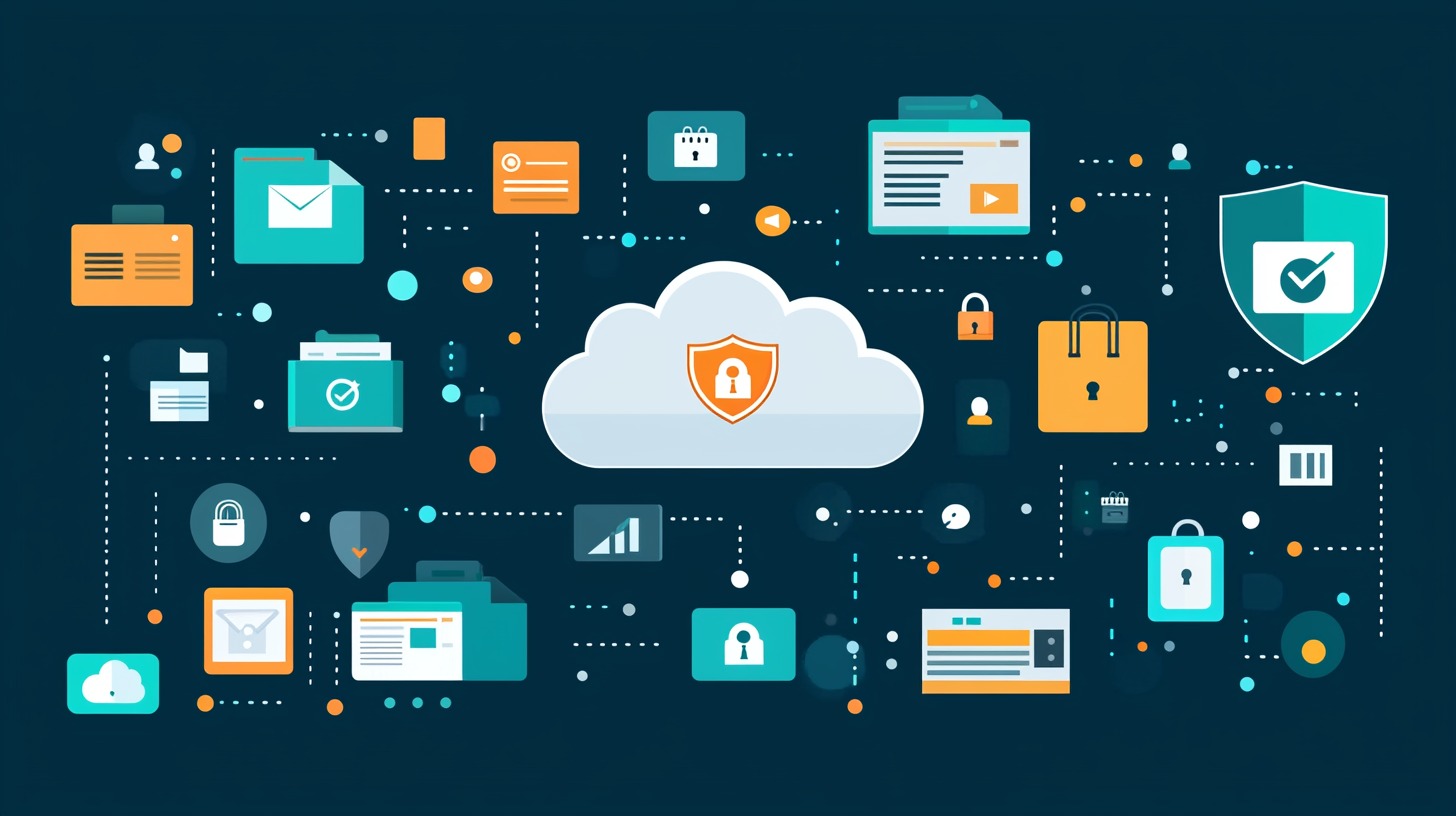
Importance of scanner security
With cyberattacks increasing in number, type, and complexity, businesses are generally more aware of potential risks, but scanners are still often overlooked. Many businesses are unaware of the security risks associated with document scanners. They often focus on securing traditional endpoints like computers and servers, neglecting peripheral devices like scanners.
Scanner security is crucial. In the constantly evolving fight against cyberattacks, IT peripherals such as printers and scanners are key elements of business risk management policies. This risk has contributed to an increase in the outsourcing of printing and scanning processes. Generally, PCs, servers, and networking hardware would naturally be prioritized over more “passive” hardware like printers and scanners.
Solutions for securing scanners
With increasing threats, solutions must be implemented. Businesses can take several measures to secure document scanners, including implementing a firewall to control network traffic and regularly updating scanner firmware and software to patch vulnerabilities.
Some scanner software offers robust features to mitigate security risks, such as access authentication, ensuring jobs are only accessed by authorized users and sent to authorized locations. Data encryption helps prevent data leakage and enhances security.
Document scanners are a vital part of a secure corporate network. Minimally, every scanner should secure the network data path from the scanner into an enterprise system via TLS encryption. In addition to encrypting the data path, some scanners also use a secure boot process that validates “trusted” firmware before execution; this process eliminates a potential security vulnerability to help protect critical business information.
When discussing scanner security with customers, several key points should be highlighted. Resellers should focus on the device’s built-in security features that contribute to a secure environment, such as TLS encryption and a secure boot process.
Future threats and recommendations
Threats to document scanners will continue to grow in the coming months and years. Cybersecurity risks are likely to increase due to increasingly sophisticated attack techniques, including ransomware and convincing telephone or email scams. Businesses and resellers must be proactive to help mitigate these evolving threats.
Cyberthreats are constantly evolving, but most of the effort by malicious actors is centered around social engineering because it’s easier to hack people than it is to hack secure code. Scanners will continue to be a target if not properly secured.
Highly confidential scanned or printed documents could be recovered from scanners/printers. Malware can potentially be loaded onto cloned or non-genuine consumables such as printer ink and toner. All-in-one devices, especially, are relatively low-value items and are regularly replaced in homes and small business environments, so steps need to be taken to limit the attack surface for malicious actors.